
If your ankles swell on a long-haul flight, your face looks puffy after a salty meal, or you are recovering from surgery, you may have been told that lymphatic drainage massage is the answer. It is one of the most popular treatments on wellness and clinic menus, promising to reduce swelling, banish bloating and even “detox” the body. Some of that is genuinely well founded; some of it is marketing. This guide separates the two, so you know what lymphatic drainage massage can realistically do, where it is genuinely useful, and how to find a therapist who knows what they are doing.
What is lymphatic drainage massage?
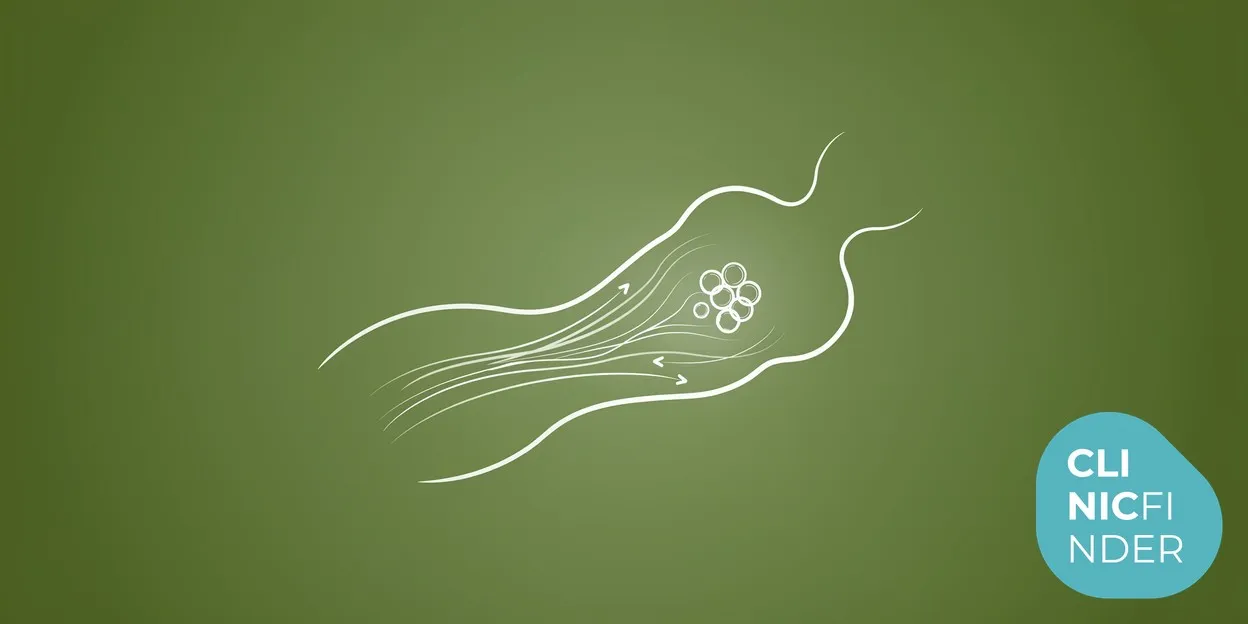
Lymphatic drainage massage — often called manual lymphatic drainage (MLD) — is a very gentle, slow, rhythmic form of massage designed to encourage the movement of lymph, the clear fluid that circulates through your body’s lymphatic system. Unlike a sports or deep-tissue massage, it uses feather-light pressure and specific directional strokes that follow the natural pathways of the lymph vessels towards the clusters of lymph nodes at the neck, armpits and groin.
The lymphatic system is essentially your body’s drainage and waste-clearing network. It collects excess fluid, proteins and cellular debris from the tissues and returns them to the bloodstream, and it plays a central role in immune function. Unlike the blood, which has the heart as a pump, lymph relies on muscle movement, breathing and the vessels’ own contractions to keep moving. The theory behind MLD is that gentle, correctly directed manipulation can help that fluid move more freely when it has become sluggish or has pooled.
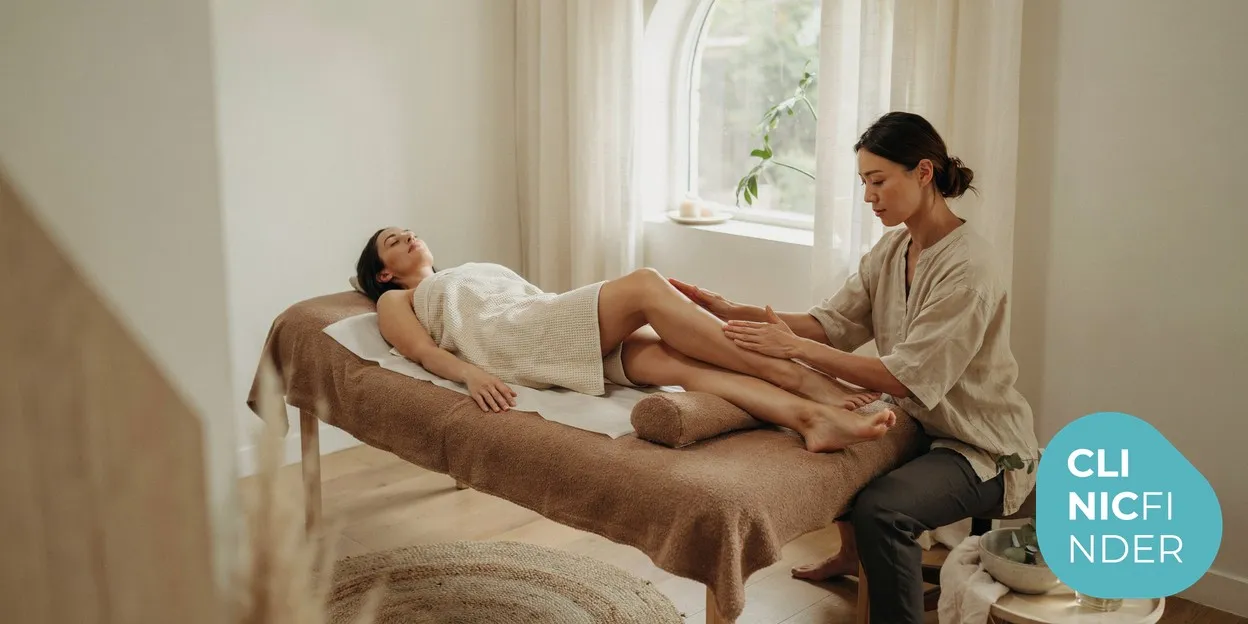
The technique was developed in the 1930s and now exists in several recognised schools of training, such as the Vodder and Leduc methods. In a clinical setting it is a skilled, structured treatment — not simply a lighter version of a relaxing spa rubdown, even though it usually feels wonderfully calming.
The best, evidence-backed uses
This is where it helps to be honest about where the strong evidence sits and where the claims run ahead of it. Lymphatic drainage massage is most useful in a handful of specific situations.
Managing lymphoedema
The clearest, best-established use is as part of the treatment of lymphoedema — long-term swelling caused by a damaged or overloaded lymphatic system, often after cancer surgery or radiotherapy that has removed or affected lymph nodes. Here, MLD is a recognised component of specialist care, usually delivered as part of a broader programme that also includes compression garments, skin care and exercise. It is important to understand that in this context it is a medical therapy, delivered by a specialist lymphoedema practitioner, not a wellness add-on.
Reducing swelling after surgery or body-contouring treatments
Many surgeons and clinics recommend a short course of lymphatic drainage massage to help settle swelling and fluid after procedures such as liposuction, tummy tucks or other cosmetic surgery. The gentle movement is thought to help the body clear the fluid and inflammation that build up while tissues heal, and many people report feeling more comfortable. If you are recovering from surgery, always follow your surgeon’s specific advice on when to start.
There is also a well-documented role for gentle post-treatment massage after non-surgical body contouring. In fat freezing (cryolipolysis), a brief manual massage of the treated area immediately after the applicator is removed is one of the most evidence-backed steps in aftercare: a controlled study found a two-minute post-treatment massage produced around 68% greater fat reduction at two months compared with no massage. The likely reason is that the massage helps disrupt the treated fat cells and supports the lymphatic clearance of the debris. It is worth being precise here, though — that finding relates to a specific two-minute technique performed straight after treatment, not to booking a course of full-body lymphatic drainage massages as a way to lose fat.
Lymphatic drainage massage is genuinely useful for moving fluid and easing swelling. It is not a fat-loss treatment, and no reputable therapist will tell you otherwise.
Easing puffiness, fluid retention and tension
Outside of medical use, many people have MLD simply because temporary puffiness — bloating, mild fluid retention, tired and swollen legs, or a puffy face — feels better afterwards. The effect on everyday, non-medical swelling tends to be real but temporary: you may look and feel less puffy for a day or two, alongside the genuine relaxation benefit that any calm, unhurried massage brings. That is a perfectly reasonable reason to have it, as long as you go in with realistic expectations.
Manual versus machine
You will see two broad approaches on clinic menus. Manual lymphatic drainage is performed by a therapist’s hands and is the version with the longest track record and the most established training routes. Machine-assisted options — most commonly compression therapy, where inflatable garments rhythmically squeeze the limbs — aim to achieve a similar fluid-moving effect and can be a convenient, consistent option, particularly for the legs.
Both can have a place. In general, hands-on treatment allows a skilled therapist to adapt pressure and direction to your body and to work areas a garment cannot, while compression-based approaches are useful for the limbs and for maintaining results between hands-on sessions. Neither is a magic bullet, and the same honest limitations apply to both: they move fluid, they do not remove fat.
What lymphatic drainage massage cannot do
Being clear about the limits is the most useful thing this guide can offer, because these treatments are frequently oversold.
- It is not a weight-loss treatment. It cannot burn fat or reduce your body weight. Any reduction you see on a tape measure straight afterwards is fluid, and it typically returns.
- It is not a “detox”. Your liver and kidneys handle waste and toxins continuously without any help from massage. Encouraging fluid movement is not the same as removing toxins, and the popular detox framing is not supported by good evidence.
- It does not cure cellulite or permanently reshape the body. It may temporarily smooth the appearance of puffy areas, but it will not remove fat or change your underlying contour.
- A one-off spa session is not a treatment for lymphoedema. Genuine lymphoedema needs a supervised, specialist-led programme.
None of this means the treatment is worthless — it means it should be judged for what it genuinely does. Gentle fluid reduction, post-procedure recovery support and real relaxation are worthwhile outcomes; a slimmer, detoxed, reshaped body is not on the menu, whatever an advert might suggest.
Who should be cautious
For most healthy adults, lymphatic drainage massage is very low-risk. However, because it works on the circulatory and lymphatic systems, it is not right for everyone. It should be avoided, or only carried out under medical guidance, if you have:
- Heart failure or significant kidney problems, where moving extra fluid into the circulation could be harmful
- A suspected or confirmed blood clot (deep vein thrombosis)
- An active infection, fever or inflamed skin in the area
- An active, untreated cancer (specialist advice is needed first)
If you have any ongoing health condition, are pregnant, or are recovering from surgery, tell your therapist and check with your GP or specialist before booking. A responsible clinic will always take a full health history and turn you away, or refer you on, if the treatment is not appropriate for you.
What to expect, and what it costs
A typical session lasts around 45 to 60 minutes and takes place on a massage couch in a calm, private room. The therapist works with light, repetitive, sweeping strokes, usually starting near the lymph nodes to “open” the pathways before working the target areas. It should never hurt. Afterwards you may feel relaxed, a little thirsty, and you may notice you need the toilet more often for a day or so as fluid shifts — all normal. Drinking water and moving gently afterwards is commonly advised.
In the UK, prices vary widely by area, therapist and setting, but a single session commonly falls somewhere around £50 to £100 or more, with specialist medical lymphoedema care structured differently and often accessed through the NHS or a consultant referral. As with any treatment, the cheapest option is not automatically the right one — training and experience matter more than the headline price.
Choosing a clinic and therapist
Because “lymphatic drainage” appears on everything from medical clinics to budget spas, the person delivering it matters enormously. Look for a therapist with recognised, specific training in manual lymphatic drainage (for example, a Vodder, Leduc or comparable qualification) rather than a general massage therapist who has simply added it to their list. If you are managing a medical condition such as lymphoedema or recovering from surgery, you want a practitioner with genuine clinical experience in exactly that, ideally working alongside your medical team.
Ask directly about their training, how many clients with your particular needs they have treated, and what results are realistic — a good therapist will happily talk you through the honest limitations. If you are considering it as recovery support after a procedure, our guides to fat freezing and HIFU body contouring explain where aftercare fits in, and if you are exploring it as part of a broader wellness routine, our guide to IV drip therapy takes the same honest look at another popular wellness treatment.
Use Clinic Finder to compare reputable clinics and wellness practitioners near you, check your therapist’s qualifications and read what other people experienced before you book — so you choose lymphatic drainage massage for what it genuinely does, not for what an advert promises.
