What it may help with
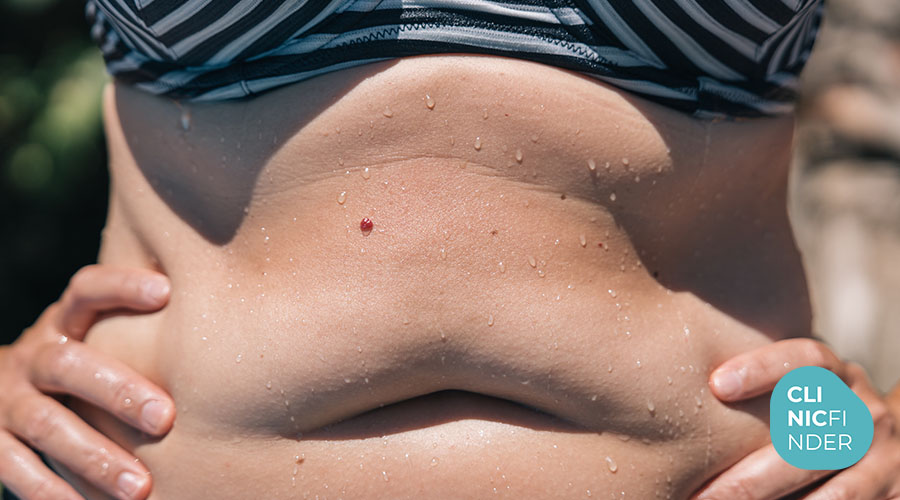
- A localised, pinchable pocket of subcutaneous fat
- A modest contour change rather than a change on the scales
- Someone who prefers a non-surgical option and accepts uncertainty

Independent treatment guide
Cryolipolysis
Controlled studies generally find a modest reduction in a treated fat pocket, but results vary and this is contouring rather than weight loss. The uncommon risk of paradoxical fat growth also deserves more attention than marketing usually gives it.
Start here
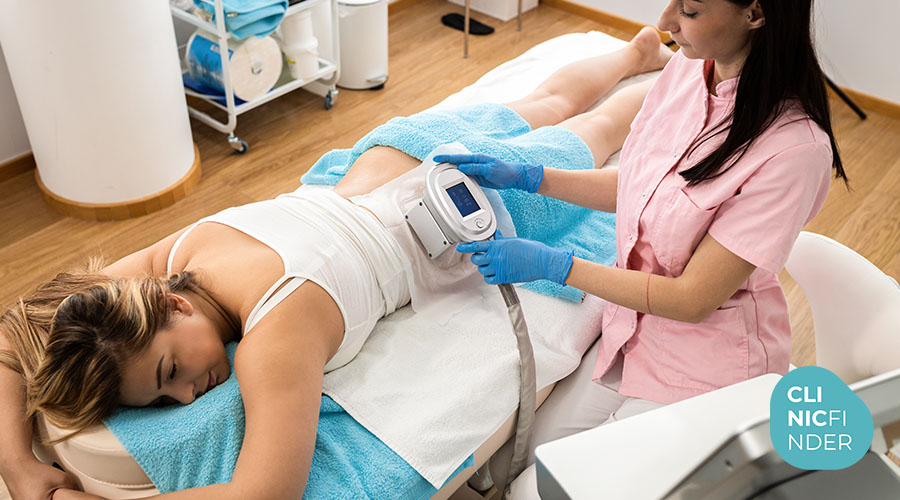
Cryolipolysis uses controlled cooling to injure fat cells in a selected, pinchable area. The body gradually clears affected cells. It does not remove skin, treat obesity or reproduce the volume change possible with liposuction.
Device, applicator, body area and operator technique matter. Evidence from one branded system or body site should not automatically be transferred to every machine advertised as “fat freezing”.
Reasonable to consider for a modest contour change if you accept a delayed, variable result and the small risk of paradoxical adipose hyperplasia (PAH), which can require surgery.
What it may help with
What it will not do
Results & trade-offs
The intended effect is a smaller bulge in the treated zone. A 2025 meta-analysis found no statistically significant change in body weight.
Inflammation and clearance take time. Judge the result at the follow-up point recommended for the specific device, not immediately after treatment.
One visit can involve multiple applicator cycles, and a clinic may suggest another session. Ask for the total plan and total price before starting.
Lighting, posture, lens distance and weight change can alter before-and-after images. Ask for standardised photographs and an objective measurement.
Research in context
Studies generally show a measurable reduction in fat thickness or circumference in a treated area. Results vary, studies are heterogeneous, and this is contouring rather than weight loss.
The direction of effect is fairly consistent, but studies use different devices, body sites and measurements. High heterogeneity means a pooled average is not a promise of your result.
Safety
“Non-surgical” does not mean risk-free. The exact device or product, treatment area, practitioner and your health all change the risk.
If you feel seriously unwell or have trouble breathing, seek urgent medical help. This page cannot assess an individual complication.
Suitability
The treatment journey
The practitioner should assess the tissue, skin, scars and hernia risk; explain alternatives; identify the device and applicator; and agree how results will be measured.
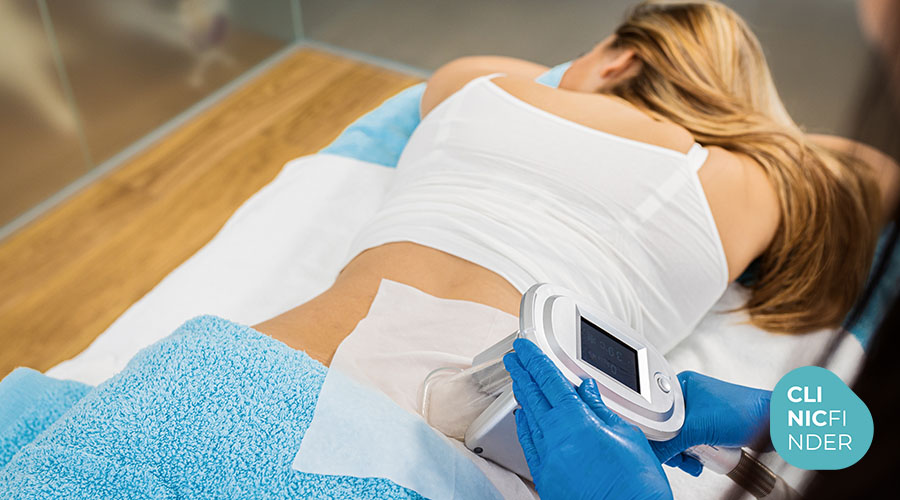
A protective interface and applicator are placed on the target area. Suction, pressure and intense cold are common early sensations. Treatment time varies by system.
Most people resume normal activity, but redness, numbness, swelling and soreness can occur. Follow device-specific advice rather than generic “detox” claims.
Use standardised photographs or measurements after enough time has passed. The clinic should also explain how to report a late firm enlargement suggestive of PAH.
Compare your options
No procedure risk or cost. The appearance may remain the same, which is a valid choice.
Can improve health and overall fat mass, but cannot choose where the body loses fat.
More predictable volume removal, but invasive, with anaesthetic, recovery and surgical risks.
Also non-surgical, but the evidence for salon-style cavitation is less certain.
Take this to your consultation
What is the exact manufacturer and model, and is this use covered by its instructions?
How many applicator cycles are included, and what is the likely total cost?
How do you screen for hernia, cold disorders and reduced sensation?
What objective change is realistic for someone with my tissue and skin?
How many treatments like mine has the practitioner performed?
What is your written pathway if I develop a burn, nerve symptoms or PAH?
Who reviews me if the result is uneven or there is no visible change?
Source library
We link to guidance and papers so you can check the evidence yourself. A source appearing here does not mean every claim or conclusion in it is beyond debate.
US Food and Drug Administration
Explains intended use, contraindications and complications including burns, hernia and PAH.
Obesity Reviews / PubMed
Recent synthesis of outcomes, adverse events and satisfaction.
World Journal of Plastic Surgery / PubMed
Found reductions in local circumference and fat thickness, with high heterogeneity and no significant weight change.
Aesthetic Surgery Journal Open Forum / PMC
Low-certainty pooled estimate of 0.22% across 28 studies and 13,078 patients.
Common questions
No. It is intended to change the contour of a small treated area. It does not treat obesity, remove visceral fat or provide the health benefits associated with weight loss.
Affected fat cells are removed over time, but remaining cells can still enlarge and body shape can change with weight, age and pregnancy. “Permanent” should not be read as “your contour can never change”.
A 2025 systematic review estimated 0.22% (about 1 in 455 patients), but rated the evidence low certainty and noted incomplete follow-up. The true rate remains uncertain; it appears higher than older manufacturer estimates.
No. Clearance applies to a particular device and intended use. Ask for the exact model and do not assume evidence for one system applies to an unverified machine.
With the same posture, lighting, camera distance and timing, ideally alongside an objective measurement. Immediate post-treatment images do not show the final effect.
Clinic directory
Directory information is separate from our editorial assessment. Inclusion is not a medical endorsement.
147 clinics